
New Brunswick business financing
NEW BRUNSWICK BUSINESS
FINANCING.
New Brunswick is a province of working economies — a modern Atlantic port, a highway junction that moves the Maritimes, potato-belt valleys, Acadian fishing coasts, border crossings and island harbours — and thirty-five communities where businesses need equipment, vehicles and working capital to keep it all moving. BizFin.ca gives every one of them one straightforward, bilingual way to explore their financing options.


FIND BUSINESS FINANCING NEAR YOU
Search your city or community to explore local business financing options.
BUSINESS FINANCING FOR A PROVINCE THAT MAKES AND MOVES THINGS.
New Brunswick is quietly one of the most economically varied provinces in the country. In a single day's drive you can cross a working Atlantic port with a recently modernized container terminal, the highway junction where Maritime distribution concentrates, potato-belt valleys feeding processing plants, Acadian fishing coasts landing lobster and snow crab, forest regions that supply sawmills and pulp operations, border crossings doing trade with Maine and Quebec, and island harbours where the lobster fleet is the local economy.
That variety matters for financing because each of those economies writes a different file: a fabrication shop in a port city mobilizes industrial contracts; a carrier at the junction adds tractors; a processor in the valley expands a packaging line; a fishing enterprise on the Acadian coast replaces a boat's gear and carries the season; a contractor in the capital region builds a second crew. Different assets, different calendars, one province.
This page is the front door to all of it: an honest map of how New Brunswick does business region by region, and a clear explanation of how equipment financing, commercial vehicles, working capital and growth financing fit the companies that do it — with a local financing page for each of the thirty-five communities in the directory below.
BUSINESS FINANCING OVERVIEW
Working capital, equipment, inventory and growth financing for New Brunswick businesses — from the Fundy port city to the Acadian coast.
EQUIPMENT FINANCING
Machinery, tools and production equipment for New Brunswick processors, contractors and manufacturers.
COMMERCIAL VEHICLES
Trucks, vans and service vehicles for New Brunswick's transport, trades and delivery economy.
WORKING CAPITAL
Bridge cash-flow cycles, payroll and supplier payments across New Brunswick's seasonal and project economies.
How New Brunswick is organized here
ELEVEN REGIONS, THIRTY-FIVE COMMUNITIES, ONE DIRECTORY.
BizFin.ca organizes New Brunswick by business reality rather than by line on a map. The province breaks into eleven distinct economic regions — the southeast metro that anchors distribution, the Fundy port city, the capital region, the Miramichi watershed, the Chaleur coast, the Restigouche border country, the Madawaska northwest, the upper Saint John valley, the Maine border southwest, the Acadian Peninsula and the central Kings county farm belt — and every one of the thirty-five communities in the directory below belongs to exactly one of them.
The regions are how New Brunswick actually does business: each has its own anchor industries, its own seasonal calendar and its own financing fingerprints, and the community pages in the directory are written to that local reality — a processor in the potato belt is not read the same as a marine-service firm on Fundy, and neither should be financed the same.
Transportation, logistics and border trade
THE PROVINCE THAT MOVES THE MARITIMES.
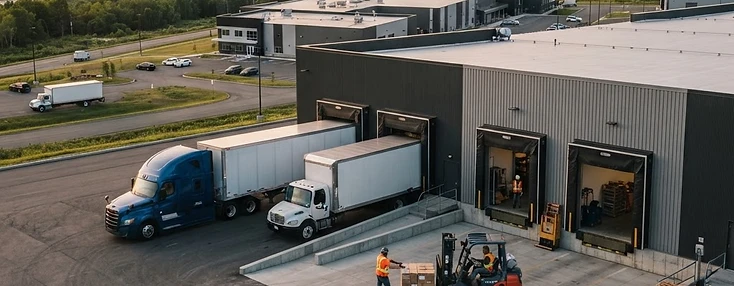
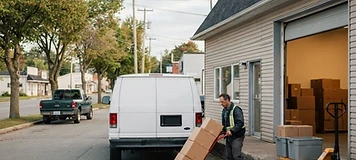
Geography made New Brunswick the transportation province of Atlantic Canada, and private business makes it work daily: trucking companies running the Trans-Canada and the border lanes, distribution and warehousing operators concentrated at the southeast junction, courier and last-mile fleets serving every town, and the customs-bonded trade that crosses at the Maine and Quebec gates. Commercial fleets are the backbone asset of this economy — tractors, straight trucks, service and delivery vehicles, all of them earning assets with routes and contracts behind them.
Fleet financing here is business-use financing with the duty cycle in plain view, and the working-capital need travels with it: fuel and parts float, receivable timing on contracted lanes, the ramp-up costs of a new route or a new truck. Carriers and distributors will find both halves of that file in the review — the vehicle and the operation it serves.
Ports, marine and industrial services
THE PORT ECONOMY — AND THE PRIVATE BUSINESSES THAT LIVE OFF IT.
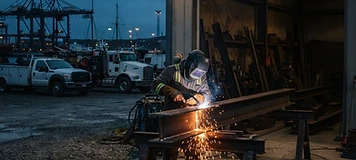
Saint John's harbour is the big-tide anchor of a marine-linked economy that runs the length of the Fundy coast up to the industrial deep-water port at Belledune, and out to the island wharves of the southwest. The port authorities and their infrastructure are public; the business opportunity is private and wide — drayage carriers and freight services, warehouses and logistics firms, marine services and boatyards, fabricators, industrial maintenance and turnaround contractors, equipment operators, and the supply chain behind major refining and pulp operations in the port city.
For the firms in that layer, financing is about capability and timing: fabrication and shop equipment to win the next industrial scope, service fleets to mobilize it, working capital to carry the contract between mobilization and payment. The port moves; the private businesses around it are what a financing platform actually funds.
Forestry and wood products
THE FOREST ECONOMY, FROM RIVER VALLEYS TO THE RESTIGOUCHE.
Forestry still writes paycheques across the Miramichi watershed, the Restigouche backcountry, the Madawaska valley and the river towns between — sawmilling and wood products, pulp and paper, the logging and hauling contractors who feed them, and the industrial services that maintain them. It is an asset-heavy, contract-shaped economy: forestry equipment, loaders and trailers, sawmill and processing equipment, transport trucks, and the shop equipment that keeps a fleet of machines working.
Financing in the forest economy follows the seasons and the contracts — equipment files for machines with real duty behind them, working capital for the front-end costs of a wood season or a mill contract, and acquisition files for a sector where established contractors and suppliers regularly change hands. Company-independent pages in the directory cover the communities this economy anchors.
Agriculture, agri-food and the fisheries
THE FOOD ECONOMY OF THE VALLEY AND THE ACADIAN COAST.
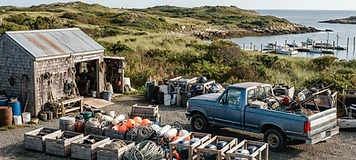
New Brunswick feeds people two ways. Inland, the upper Saint John valley and the central farm belt run potatoes, seed and dairy through a serious processing and agri-supply economy — farm equipment, storage and handling systems, processing and packaging lines, and the trucks that move a harvest on schedule. On the coasts, the Acadian Peninsula and the Fundy islands run one of Atlantic Canada's genuine fisheries — lobster, crab and shellfish — with the wharf-side processing, marine supply, boat services and cold-chain businesses stacked behind the fleet.
Both calendars are seasonal and both are capital-real: a fishing enterprise replacing gear ahead of the season, a processor expanding a freezing line, a farm operation adding storage and handling, an agri-supplier carrying inventory into the planting window. Equipment, working capital and the season are one conversation in these files — and the review treats them that way.
Manufacturing, construction and the trades
THE BUILDERS AND MAKERS OF EVERY REGION.
Every region of the province builds something and fixes everything. Manufacturing runs from food processing and metal fabrication to wood products and industrial components; construction and the trades run a steady calendar of commercial, institutional and residential work in every community from the metro to the villages; and the repair businesses — automotive, equipment, marine — keep the province's fleets on the road and on the water. The asset lists are the classic ones: machinery and production equipment, tools and shop equipment, compact construction machinery, service trucks and trailers.
Construction and trades financing has its own rhythm — mobilization, materials, progress payments — and the files here are structured to respect it: equipment carries the capability, working capital carries the project between billing cycles, and the two are kept deliberately apart so the next contract gets bid with both intact.
Technology, professional services and the knowledge economy
THE FASTEST-GROWING PART OF THE LEDGER STARTS WITH PEOPLE.
The capital region has built a genuine technology and knowledge economy — software and cybersecurity companies, professional firms and consultancies serving clients across the country, engineering and design businesses — and the province's commercial-services layer, from accounting practices to marketing agencies, runs on the same fundamentals: people first, projects second, equipment third. It is a lighter-asset, heavier-working-capital profile, and financing has to be structured that way.
In these files working capital is usually the main event — hiring ahead of revenue, project mobilization, the receivable gap between delivering work and being paid — with equipment financing for the professional, technical and office systems a knowledge business actually uses, and acquisition and succession files for a professional community where practices and firms regularly change hands.
Tourism, hospitality and the visitor coasts
A PROVINCE PEOPLE VISIT — WHICH IS ITSELF A BUSINESS.
From the warm-water beaches of the southeast to the Fundy tides, the historic resort towns of the southwest and the Acadian coastal circuits, tourism is a real industry with real commercial assets: kitchens and refrigeration, guest accommodation and fit-out, booking and point-of-sale systems, charter boats and tour equipment, and the retail and service businesses that ride the season. The calendar is the defining fact — stocked and staffed ahead of the season, earned inside it, carried between.
Across the province, the visitor businesses that finance well are the ones whose money follows the season's shape: kitchens, boats and rooms equipped before the first booking surge, a cash cushion measured against the shoulder weeks, and any expansion opened early enough to earn a full season rather than half of one. The community pages below carry that calendar into each coast, valley and resort town.
Acadian and Francophone entrepreneurship
A PROVINCE THAT DOES BUSINESS IN TWO LANGUAGES.
New Brunswick is Canada's officially bilingual province, and its business map reflects it: a deep Francophone and Acadian entrepreneurship from the southeast to the northwest — industrial parks anchored by Francophone firms, the Acadian Peninsula's fishing and service economy, the Madawaska border towns doing business across two provinces and a border, and professional services that serve their clients in the language the client prefers. Those businesses deserve a financing review that meets them in Canadian French, not a translation after the fact.
BizFin.ca's review team works in both languages natively — the request, the questions, the options and the follow-through. For Francophone New Brunswick businesses, that is not a courtesy; it is the difference between explaining your business and translating it.
The financing architecture
EQUIPMENT, VEHICLES, WORKING CAPITAL, GROWTH — FOUR DIFFERENT FILES.
Equipment financing covers the business-use assets: new and used machinery, production and shop equipment, material handling, kitchen and hospitality systems, technology and office systems — and, where a program allows, complete eligible equipment packages with delivery, installation and related soft costs included, plus larger business-use assets and complete commercial packages depending on the lender and program. What it never covers is general operating expense: that distinction is kept honest on both sides of the file.
Commercial vehicle financing covers the fleets — cargo and service vans, contractor and crew-cab pickups, cube vans, straight trucks, tractors and trailers, mobile-service units — business-use vehicles with duty cycles behind them, never consumer purchases. Working capital covers the operation: inventory, supplier payments, payroll, seasonal stocking, receivable timing, contract mobilization, marketing and growth expenses. Growth, expansion, acquisition and succession complete the picture — buying a business, funding a buyout, opening the second location. Options depend on the business, the asset, the cash flow and the program; a review returns what actually stands.
Equipment financingWorking capital financingBusiness growth financing
How BizFin.ca works with New Brunswick businesses
NO OFFICE IN YOUR TOWN — A REVIEW TEAM THAT KNOWS YOUR ECONOMY.
BizFin.ca does not claim a branch on every main street, and does not need one: New Brunswick businesses work with a bilingual Canadian review team through one straightforward request — tell the platform what your business needs, a reviewer reads it personally, and the options that actually fit come back with the reasoning behind them. Exploring costs nothing and commits to nothing; deciding is always yours.
Every community page in the directory below was written to its own economy — the port, the junction, the valley, the coast, the border, the islands — because that is what a New Brunswick business should expect from a financing review: someone who understands what your business runs on before the first question is asked. Thirty-five communities, eleven regions, one request.
THIRTY-FIVE NEW BRUNSWICK COMMUNITIES, ELEVEN ECONOMIC REGIONS.
Every community below has its own local financing page. Find your market by region, or search above.
Greater Moncton / Southeast
The distribution-junction metro economy and the Acadian coastal tourism corridor.

Moncton
Greater Moncton / Southeast
Distribution and logistics hub at the highway-rail junction, with bilingual head-office commercial services.
Business financing in Moncton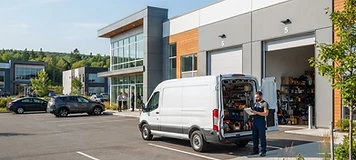
Dieppe
Greater Moncton / Southeast
Francophone commercial growth pole at the airport junction — industrial parks and head offices.
Business financing in Dieppe
Riverview
Greater Moncton / Southeast
South-river contractor and service economy supporting the metro hub.
Business financing in Riverview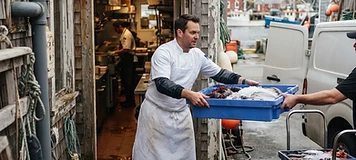
Shediac
Greater Moncton / Southeast
Acadian coastal tourism and lobster-boat economy by the warm-water beaches.
Business financing in Shediac
Bouctouche
Greater Moncton / Southeast
Acadian coastal tourism town with manufacturing and seafood processing.
Business financing in Bouctouche
Sackville
Greater Moncton / Southeast
University and heritage town on the Trans-Canada marshes at the Nova Scotia gateway.
Business financing in SackvilleSaint John / Fundy
The Atlantic port city, its suburban professional corridor and the Fundy coast.
Saint John
Saint John / Fundy
Atlantic port and industrial-energy city on the Fundy tide economy.
Business financing in Saint John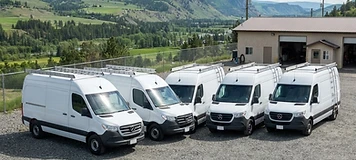
Quispamsis
Saint John / Fundy
Kennebecasis suburban professional and light-commercial corridor.
Business financing in Quispamsis
Rothesay
Saint John / Fundy
Riverside commuter-professional and boutique-service town.
Business financing in Rothesay
Hampton
Saint John / Fundy
Kings county-seat farm-service town in the river valley.
Business financing in HamptonFredericton / Capital Region
Capital-region services and technology, base-adjacent commerce and the river pulp town.

Fredericton
Fredericton / Capital Region
Capital-region professional services, technology and river-corridor private economy.
Business financing in Fredericton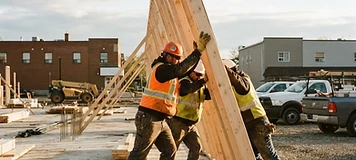
Oromocto
Fredericton / Capital Region
Base-adjacent contractor, hospitality and family service economy.
Business financing in Oromocto
Nackawic
Fredericton / Capital Region
Pulp-town river economy with industrial-supplier and forestry-service businesses.
Business financing in NackawicMiramichi
The salmon-river city and its diversified forest, marine and tourism watershed economy.

Chaleur / Bathurst
The Chaleur-bay service centre and the industrial deep-water port village.
Restigouche / Campbellton
The interprovincial border services, the harbour town and the upper-Restigouche forestry.
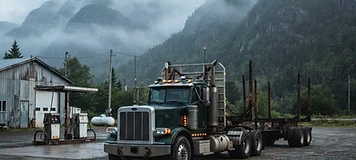
Campbellton
Restigouche / Campbellton
Restigouche border service town with seafood processing and mountain-tourism access.
Business financing in Campbellton
Dalhousie
Restigouche / Campbellton
Restigouche harbour town transitioning to marine, service and cross-border trade.
Business financing in Dalhousie
Kedgwick
Restigouche / Campbellton
Backcountry forestry and wood-products rural community.
Business financing in Kedgwick
Saint-Quentin
Restigouche / Campbellton
Upper-Restigouche forestry service and wood-economy town.
Business financing in Saint-QuentinNorthwest / Madawaska
Cross-border pulp and paper, the bilingual falls town and the potato-belt valley.

Edmundston
Northwest / Madawaska
Cross-border pulp-and-paper and Francophone service centre in Madawaska.
Business financing in Edmundston
Grand Falls
Northwest / Madawaska
Bilingual potato-belt agri-food and cross-valley service centre at the falls.
Business financing in Grand Falls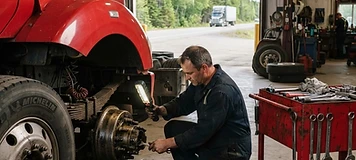
Saint-Léonard
Northwest / Madawaska
Valley potato and seed economy with wood and transport businesses.
Business financing in Saint-LéonardUpper Saint John Valley
Potato-belt processing towns, dairy service centres and the border-highway corridor.
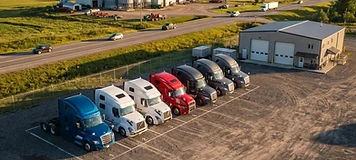
Woodstock
Upper Saint John Valley
Upper-river farm-service and Trans-Canada border-highway town.
Business financing in Woodstock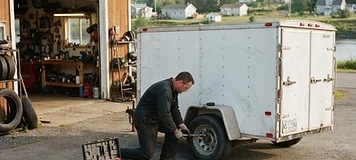
Hartland
Upper Saint John Valley
Dairy-and-potato farm-service town at the covered bridge.
Business financing in Hartland
Florenceville-Bristol
Upper Saint John Valley
Global frozen-potato-processing hometown on the upper river.
Business financing in Florenceville-Bristol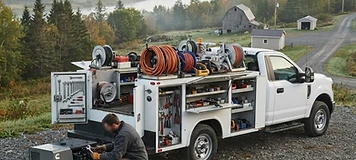
Perth-Andover
Upper Saint John Valley
River-crossing agri-service and forestry-support village.
Business financing in Perth-AndoverSouthwest / Border
Maine-border commerce, the Passamaquoddy resort town and the Fundy island fishery.

St. Stephen
Southwest / Border
Maine-border crossing retail and light-manufacturing town on the St. Croix.
Business financing in St. Stephen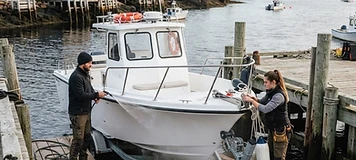
St. Andrews
Southwest / Border
Historic seaside resort and marine-science town on Passamaquoddy Bay.
Business financing in St. Andrews
Grand Manan
Southwest / Border
Fundy island fishing-and-tourism economy — lobster fleet and marine services.
Business financing in Grand MananAcadian Peninsula
Francophone service centre, Acadian coastal fisheries and the island fishing ports.

Tracadie
Acadian Peninsula
Acadian Peninsula francophone service centre for the fishing coast.
Business financing in Tracadie
Caraquet
Acadian Peninsula
Acadian coastal fishing and seafood-processing town.
Business financing in Caraquet

Shippagan
Acadian Peninsula
Northern Acadian fishing port with fishery-service businesses.
Business financing in Shippagan
Lamèque
Acadian Peninsula
Island fishing-port economy — processing, peat and marine services.
Business financing in LamèqueCentral / Kings
The dairy and agri-food interchange hub of central New Brunswick.


ONE PROVINCE, MANY ECONOMIES.
From the Fundy port and the Moncton junction to the upper-river potato belt, the Acadian Peninsula and the island fisheries of the southwest, New Brunswick's regional economies run on equipment, vehicles and cash-flow discipline. Financing has to match that range.