
ANSWERS BEFORE YOU APPLY.
A Canadian knowledge centre for business capital — working capital, equipment and leasing, receivables, commercial vehicles, growth and transactions. Every guide answers the question a business owner actually has, before the financing conversation starts.
Featured guides

Business Financing Guide Canada
A practical plain-English guide to business financing in Canada — common capital structures, how purpose shapes the options, how to prepare, and what to ask before you accept financing.
Read the guideBusiness Financing Glossary Canada
A plain-English glossary of Canadian business financing terms — working capital, lines of credit, factoring, leasing, amortization, guarantees and more, each linked to a deeper BizFin.ca guide.
Read the guide
Working Capital Guide
What working capital means, why healthy businesses experience timing gaps, and how working capital financing, lines of credit and receivables structures fit Canadian business reality.
Read the guide
Equipment Financing Guide
A cornerstone guide to business equipment financing in Canada — new and used equipment, machinery, technology, quotes, structures, refinancing and sale-leaseback, without fabricated rates.
Read the guide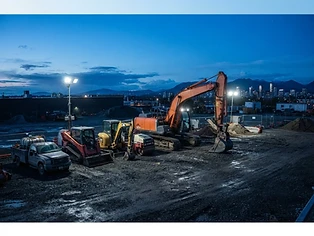
Equipment Leasing Guide Canada
What equipment leasing is, why Canadian businesses lease — cash preservation, structure and end-of-term options — and what to ask before signing a lease, without blanket tax claims.
Read the guide
Accounts Receivable Financing Guide
How accounts receivable financing works for Canadian B2B businesses — why receivables create cash gaps, invoice aging, eligible receivables, and how A/R financing relates to factoring, asset-based lending and lines of credit.
Read the guide

Invoice Factoring Guide
How invoice factoring works in Canada — selling eligible B2B invoices to a factor, fees, recourse vs non-recourse, who it fits and how it compares to borrowing, explained without advance-rate promises.
Read the guide

Commercial Vehicle Financing Guide
How Canadian businesses finance cargo vans, service trucks, box trucks and commercial trailers — business-use vehicles, new and used, quotes, fleet growth and how vehicle structures fit the business.
Read the guide

Business Expansion Financing Guide
How Canadian businesses finance expansion — a second location, a new market, added capacity, equipment, inventory, hiring and marketing — and how expansion structures match growth-stage needs.
Read the guide

Buying a Business Financing Guide
How Canadians finance buying a business — purchase price, assets and goodwill, working capital, seller involvement, due diligence and transaction structure, with professional guidance on where advice is required.
Read the guideBusiness Loan vs Line of Credit
A balanced Canadian comparison of a business loan versus a business line of credit — fixed versus revolving, one-time versus recurring needs, repayment and cost differences, with no blanket recommendation.
Read the guideStart Here
The cornerstone guides — what business financing is, how it works, and what it can do.
Business Financing Guide Canada
A practical plain-English guide to business financing in Canada — common capital structures, how purpose shapes the options, how to prepare, and what to ask before you accept financing.
Read the guideHow Business Financing Works
How a business financing request actually works in Canada — from the initial conversation through review, possible structures, documents, terms and the business's decision.
Read the guideWhat Can Business Financing Be Used For?
The legitimate business uses of commercial financing in Canada — operating needs, assets, contracts, growth and acquisitions — and how each use points to a fitting structure.
Read the guideFinancing & Funding Basics
Vocabulary, provider lenses and the landscape of who finances Canadian businesses.
Business Financing Glossary Canada
A plain-English glossary of Canadian business financing terms — working capital, lines of credit, factoring, leasing, amortization, guarantees and more, each linked to a deeper BizFin.ca guide.
Read the guideWhat Financing Providers May Consider
A conceptual look at what business financing providers in Canada may weigh when reviewing a request — time in business, revenue, cash flow, assets, industry and purpose — without fabricated minimums.
Read the guideBank vs Alternative Business Financing
A balanced comparison of traditional bank financing and specialized business financing providers in Canada — how they differ, what each suits, and why neither is automatically better.
Read the guideWorking Capital & Cash Flow
Why healthy businesses experience timing gaps — and the structures that bridge them.
Working Capital Guide
What working capital means, why healthy businesses experience timing gaps, and how working capital financing, lines of credit and receivables structures fit Canadian business reality.
Read the guideBusiness Cash Flow Guide
How business cash flow works — cash in versus cash out, timing mismatches, receivables, inventory, payroll, seasonality and why profitable businesses still face cash-flow constraints.
Read the guideFinancing a New Contract
Why winning a new contract can consume cash before it generates any — mobilization costs, materials, labour and receivables — and how contract-aware financing structures help Canadian businesses take the work.
Read the guideSeasonal Business Financing
How seasonal Canadian businesses finance pre-season inventory, staffing, equipment preparation and off-season cash flow — with industry examples from landscaping, hospitality, recreation and retail.
Read the guidePurchase Order & Order-Fulfillment Cash Flow
Why fulfilling a customer order can consume cash before it pays — inventory, materials, suppliers, production, shipping and payment terms — and how Canadian businesses bridge the order-to-payment gap.
Read the guideBusiness Line of Credit Guide
How a business line of credit works in Canada — the revolving concept, draws and repayments, common use cases, how it differs from a term loan and from factoring, and why limits vary.
Read the guideEquipment, Leasing & Business Assets
Acquiring, leasing, refinancing and releasing capital from business equipment.
Equipment Financing Guide
A cornerstone guide to business equipment financing in Canada — new and used equipment, machinery, technology, quotes, structures, refinancing and sale-leaseback, without fabricated rates.
Read the guideEquipment Leasing Guide Canada
What equipment leasing is, why Canadian businesses lease — cash preservation, structure and end-of-term options — and what to ask before signing a lease, without blanket tax claims.
Read the guideEquipment Financing vs Leasing
A balanced, scenario-based comparison of equipment financing and equipment leasing for Canadian businesses — ownership, cash outlay, term, end-of-term and flexibility, without declaring a winner.
Read the guideUsed Equipment Financing Guide
How used business equipment financing works in Canada — age, condition, value, documentation, sellers and useful life considerations, with honest notes on where availability varies.
Read the guideEquipment Refinancing Guide
How equipment refinancing works for Canadian businesses — using value in equipment you already own to access capital, with honest notes on valuation, existing obligations and availability.
Read the guideSale-Leaseback Guide
How a sale-leaseback works — selling owned business equipment within a financing transaction and leasing it back to keep working, with honest trade-offs and eligibility notes.
Read the guideReceivables & Invoices
Turning the money customers owe you into working capital — factoring and A/R structures.
Accounts Receivable Financing Guide
How accounts receivable financing works for Canadian B2B businesses — why receivables create cash gaps, invoice aging, eligible receivables, and how A/R financing relates to factoring, asset-based lending and lines of credit.
Read the guideInvoice Factoring Guide
How invoice factoring works in Canada — selling eligible B2B invoices to a factor, fees, recourse vs non-recourse, who it fits and how it compares to borrowing, explained without advance-rate promises.
Read the guideFreight Factoring Guide
How freight factoring works for Canadian trucking companies and owner-operators — fuel and payroll paid now, broker settlements paid later, invoice cycles and how factoring bridges the carrier cash gap.
Read the guideCommercial Vehicles
Financing the vans, trucks and trailers Canadian businesses run.
Growth & Expansion
Financing the stage between deciding to grow and the growth paying.
Buying a Business & Franchises
Purchase transactions, practice transitions and franchise launches.
Buying a Business Financing Guide
How Canadians finance buying a business — purchase price, assets and goodwill, working capital, seller involvement, due diligence and transaction structure, with professional guidance on where advice is required.
Read the guideFranchise Financing Guide
How Canadian entrepreneurs finance a franchise — initial fees, equipment, build-out, inventory, launch working capital and additional locations — without implying affiliation with any brand.
Read the guidePrepare to Apply
Sizing the request, gathering what matters, and what a decline really means.
Business Financing Application Guide
How a Canadian business owner prepares for a business financing request — the need, the amount, business history, revenue context, asset details and existing obligations — with flexible, honest wording.
Read the guideBusiness Financing Documents
The documents that MAY be requested for Canadian business financing — bank statements, statements, registration details, quotes, invoices, contracts and aging reports — by structure, with no false universality.
Read the guideHow Much Business Financing Do I Need?
A practical framework for sizing a business financing request — exact use of funds, one-time versus recurring needs, buffers, timing, repayment affordability and return on the capital.
Read the guideBank Declined? Exploring Other Options
What a bank decline does and does not mean for a Canadian business — different providers, structures and security evaluate requests differently, and practical next steps after a decline.
Read the guideCompare Financing Options
Side-by-side comparisons of the structures, without a winner being declared.
Business Loan vs Line of Credit
A balanced Canadian comparison of a business loan versus a business line of credit — fixed versus revolving, one-time versus recurring needs, repayment and cost differences, with no blanket recommendation.
Read the guideInvoice Factoring vs Line of Credit
Factoring or a line of credit? A receivables-driven sale structure compared with a borrowing relationship — mechanics, customer considerations, availability and ongoing cash-flow use.
Read the guideEquipment Financing vs Working Capital
Why purpose matters when choosing between equipment financing and working capital — asset-specific needs versus general operating needs, with clear Canadian scenarios for each.
Read the guideSecured vs Unsecured Business Financing
The difference between secured and unsecured business financing — security and collateral, risk, documentation, pricing differences, guarantees and availability, explained without legal advice.
Read the guideReady to explore?
TELL US WHAT YOUR BUSINESS NEEDS NEXT.
You do not need to know the financing product first. Describe the business, the purpose and the amount — BizFin.ca helps you explore what fits.