Sussex, New Brunswick
SUSSEX BUSINESS
FINANCING.
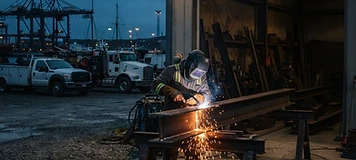
Sussex is the service town of the dairy-and-valley country where the highways meet — feed, seed and farm-supply businesses, equipment repair and welding shops, trucking and highway commerce, contractors and trades, hospitality and professional services for a wide farm-and-town market. BizFin.ca helps Sussex businesses explore equipment financing, commercial vehicles, working capital and growth options through one Canadian review.
THE PRIVATE ECONOMY OF DAIRY COUNTRY.
Sussex sits where the highways cross in the middle of dairy-and-valley farm country, and the town has always lived by serving it: feed, seed and farm supply, equipment repair and welding, agri-food and cold-storage businesses, then the layer the crossing itself supports — trucking and cartage, warehousing, fuel and service stops, highway retail and the restaurants and motels that feed the corridor. Mining wrote one chapter here — the Picadilly potash mine closed in 2016 — but the private economy of the town today is the one that was always underneath it: services, trades, transport and commerce for the farms and towns around it.
The financing follows that structure. Assets: shop machines and diagnostics, welding and fabrication gear, agri-service equipment, commercial trucks and trailers, contractor machinery, kitchen and refrigeration packages for the food side, fixtures and business systems. Cash: parts and inventory, supplier payments, seasonal preparation, contract mobilization, receivable timing, staffing and fleet growth. The review keeps the two apart on purpose — equipment money for equipment, operating money for operations.
EQUIPMENT FINANCING IN SUSSEX.
Agri-service and shop equipment, welding gear, commercial trucks and trailers, contractor machinery, kitchens and refrigeration.
COMMERCIAL VEHICLES IN SUSSEX.
Tractors and trailers, straight trucks, service vehicles and fleets for the valley and the coast — business use only.
WORKING CAPITAL IN SUSSEX.
Parts and inventory, supplier payments, seasonal preparation, contract mobilization, staffing, receivable timing.
SUSSEX BUSINESSES SERVED.
Agri-service and farm supply, trucking and warehousing, contractors and repair shops, hospitality and professional firms.
The town and its context
A SERVICE TOWN AT THE CROSSING.
Two highways meet in this valley town, and everything commercial about the place flows from that fact: goods moving through, farm traffic moving to and from, and a business community built to serve both. The town's story includes mining — the potash operation at Picadilly closed in 2016, and no restart has been announced — but a financing page is about the present, and the present here is the same durable mix it has long been: agri-service, trades, transport, hospitality and commerce.
What the review cares about is the operation in front of it: what the business does, who it serves, what it owns, how its cash moves. A valley service business with a farm customer base, a highway-adjacent restaurant, a two-truck cartage outfit — each is a different file, and each gets read on its own numbers before anything is offered.
Serving the farm country
AGRI-SERVICE BUSINESSES AND THE SHOPS.
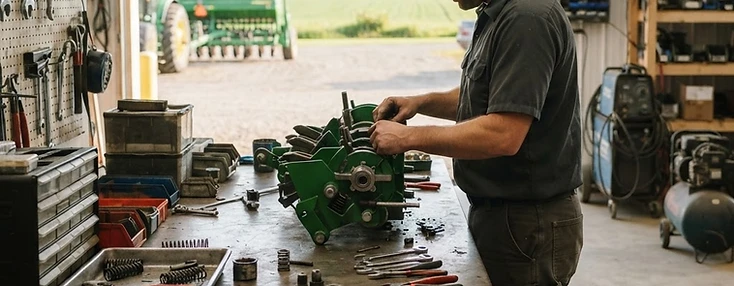
The farms of the valley are served by a real private-business layer: feed and seed suppliers, farm-supply stores, equipment dealers and repair shops, welding and fabrication outfits, agri-food and cold-storage businesses, veterinary-adjacent services, fencing and excavation contractors. These are the files this page is for — the supplier, the shop, the service firm — not the farm programs themselves.
And the boundary is kept honest: BizFin is not a farm-program administrator, and this page claims nothing about them — no crop or livestock programs, no agency eligibility, no lending rules of any government scheme. Questions about those belong to the organizations that run them. What reviews here is the private side: the machine that fixes balers, the truck that delivers feed, the shop that keeps the valley running.
The interchange economy
TRUCKS, WAREHOUSES AND HIGHWAY COMMERCE.
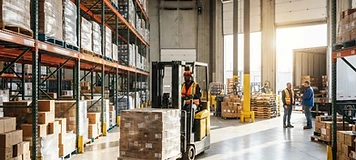
A highway crossing builds its own economy: trucking and cartage firms running the valley and the coast, warehousing and distribution, fuel and service stops, the retail plazas that collect around an interchange, restaurants, motels and take-outs serving through-traffic and locals alike. Those businesses live on assets that wear — trucks, trailers, dock and handling equipment, pumps and forecourt gear, kitchen packages — and on cash that cycles — fuel and parts, inventory, receivables that settle on commercial terms.
Vehicle files here are business-use files: a tractor and trailer behind a lane or a contract, a straight truck on a delivery route, a service vehicle behind a customer book. Fleets get read as fleets — what each unit earns, what replaces what, and which additions the contracts justify — with used equipment carrying the same honest review as new when its maintenance story holds up.
Trades that keep the valley built
CONTRACTORS, REPAIR SHOPS AND THE TRADES.
Around the interchange economy works the building-and-fixing layer of the valley: general contractors and renovators, excavators, the finishing trades, automotive and equipment repair, machining, grounds and property services. Their equipment lists are the classic ones — machines, service trucks, trailers, shop tools, diagnostics — and their cash needs are the classic ones too: materials between draws, parts inventory, the wait on receivables, staffing through the building season.
The strongest trade files arrive as complete eligible packages: one acquisition covering the machine, its delivery and its installation-adjacent needs inside a single quote where the program allows. A repair shop retooling a bay, a contractor stepping up from rentals to owned iron — the review prices the whole working setup, not just the headline machine.
Equipment and vehicles in Sussex
WHAT THE VALLEY RUNS ON.
Read across the whole economy, the list covers agri-service and farm-supply equipment, shop machines and diagnostics, welding and fabrication gear, commercial trucks and trailers, dock and handling equipment, construction machinery, grounds and property gear, kitchen and refrigeration packages, retail fixtures, and the systems behind offices and counters. Every file is business-use financing, and the review prices each on the work the asset will actually perform.
Used equipment is welcome in that reading: a serviced skid steer with its hours documented, a shop's kept-up tools bought with the business, a highway tractor with a verifiable maintenance history. Remaining working life against cost is the honest measure, and it is the same measure a new unit gets — because what a machine will do next matters more than where it was delivered from.
Cash, growth and the next owner
VALLEY WORKING CAPITAL AND THE NEXT OWNER.
Working capital carries a valley business between its earn-and-spend cycles: parts and product inventory, supplier payments, seasonal preparation and staffing, contract mobilization, receivable timing on commercial accounts, fleet additions, and the growth moves — a second service truck, a bigger shop, a new line of business. None of it is equipment, and none of it gets presented as equipment here.
Succession is a live subject in a town of long-standing names: a feed-and-supply business passing to the next generation, a repair shop sold to the employee who kept it running, a contractor's outfit bought by a partner ready to carry it, a family restaurant changing hands with its recipes. Acquisition and succession files are genuine and reviewable — weighed on the business, its cash flow, the buyer's contribution and the program behind the file, with nothing assumed and nothing promised.