
FINANCE THE EQUIPMENT, VEHICLES, VESSELS & CAPITAL THAT KEEP B.C. MOVING.
From the Pacific terminals to the orchard benches, the working forests to the coal valleys, the LNG channels to the ski hills, British Columbia runs on businesses that buy assets before the work pays. BizFin.ca helps B.C. businesses explore financing options for equipment, commercial vehicles, commercial vessels, working capital, inventory, expansion and growth — one straightforward request, real options reviewed.
Proudly Canadian. Built for Canadian businesses.
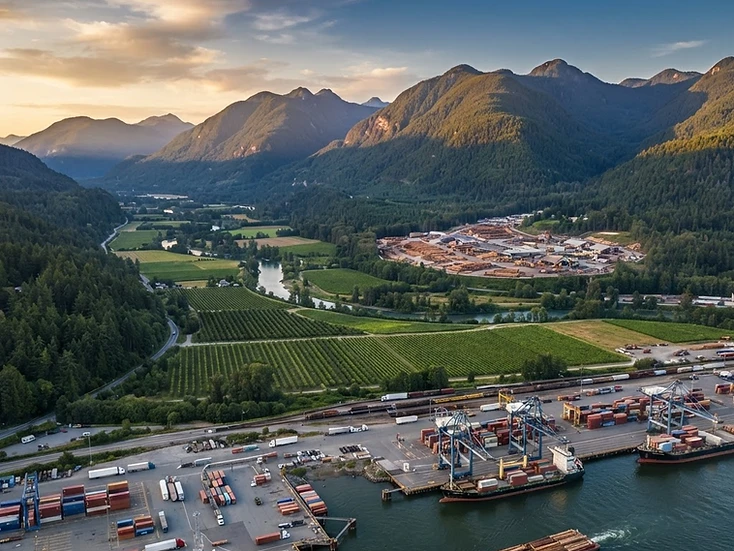


FIND BUSINESS FINANCING NEAR YOU
Search your city or community to explore local business financing options.
A DIVERSE COMMERCIAL LANDSCAPE ACROSS BRITISH COLUMBIA.
From construction and transportation to hospitality, retail, professional services, manufacturing and distribution, British Columbia businesses span a wide range of operations.
Equipment, inventory, payroll, leases and expansion can create capital requirements — sometimes at the same time. BizFin.ca helps British Columbia business owners explore financing around the way they actually operate.
FRUIT, ORCHARDS, BERRIES AND VINEYARDS.
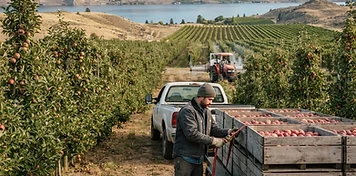
British Columbia grows fruit the way other provinces pump oil: as a signature economy. The Okanagan's benches produce a signature Canadian tree-fruit crop — apples, cherries, peaches, apricots and soft fruit — and a major Canadian wine industry. The Similkameen holds some of the warmest growing country in Canada, with Keremeos and Cawston running the fruit-stand economy that turns Highway 3 into a produce corridor each summer. Creston anchors the Kootenay's genuine farm valley, and the Fraser Valley — Abbotsford, Chilliwack and the Delta flats — grows berries and greenhouse crops at national scale, including the Lower Mainland's verified cranberry districts.
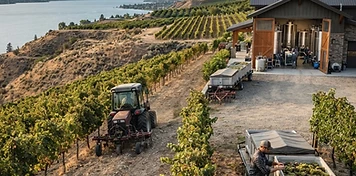
Every one of those operations is an equipment business. Orchard and vineyard tractors, sprayers, mowers, pruning and harvest platforms, telehandlers and forklifts, bin and trellis systems, irrigation, pumps and fertigation, wind machines and heaters for frost nights, canopy sprinklers and shade systems, and the generators that keep cold rooms running through a heat wave — all bought before the crop pays.
Past the farm gate, the fruit economy keeps buying: washers, graders, sorters and labeling lines; palletizing and packing equipment; compressors, cold rooms and refrigeration; and the reefer trucks that carry a perishable crop to market. Packing and successor arrangements in the tree-fruit sector are described current-status only — verified before referencing any specific facility.
Orchard and vineyard equipment
Tractors, sprayers, mowers, pruning and harvest platforms — financed ahead of the season.
Packing and cold chain
Washers, graders, sorters, labeling, palletizing, cold rooms and refrigeration.
Irrigation and frost protection
Pumps, pivots, fertigation, wind machines, heaters, canopy sprinklers and generators.
Where it concentrates
Kelowna, West Kelowna, Summerland, Penticton, Oliver, Osoyoos, Keremeos, Creston and Vernon — plus the Fraser Valley's berry and greenhouse districts.
FRUIT BUSINESS TRAILERS & COLD CHAIN
Fruit moves in trailers, and the cold chain decides what's financeable: orchard bin trailers and farm flat-decks move the crop from the rows; goosenecks and utility trailers move gear between blocks; insulated and reefer trailers, refrigerated straight trucks and semi-trailers carry it to packers and distant markets; portable refrigeration trailers hold the field's output; farm-market and mobile-retail trailers sell it on the highway. Cold-chain vans and the highway tractors that pull it all complete the chain. Eligible businesses may finance or lease the WHOLE TRUCK + TRAILER together — BUILT FOR BUSINESS, including full commercial vehicle financing and leasing.
- Orchard bin trailers
- Farm flat-decks and goosenecks
- Utility and enclosed business trailers
- Insulated and reefer trailers
- Refrigerated straight trucks and semi-trailers
- Portable refrigeration trailers
- Farm-market and mobile-retail trailers
- Cold-chain vans
- Highway tractors
COMMERCIAL FISHING AND SEAFOOD.
B.C.'s coast works real fisheries: Dungeness crab and spot prawn, salmon, halibut and groundfish, geoduck, sea cucumber and urchin, tuna on the offshore grounds, and more — each fishery tied to specific waters and openings, never implied to exist everywhere. Prince Rupert and the North Coast, Steveston in Richmond, Campbell River, Port Hardy, Port Alberni, Tofino and Ucluelet, the Island's west-coast inlets and the Haida Gwaii harbours each work their own mix of boats, gear and seasons.
The physical asset list is specific: commercial fishing boats, engines and repowers, pot haulers, davits and hydraulics, deck equipment, radar, sonar and GPS chartplotters, autopilot, generators, ice and refrigeration, and the trucks and trailers that move catch and gear. Vessel financing depends on the asset, the business and the provider — and it is always separate from licence, quota and fishery-entitlement value, which is treated as its own conversation.
CRAB — A B.C. FINANCING USE CASE
Dungeness crab is one of the province's signature fisheries, and a crab operation's physical assets are exactly what financing conversations cover: the boat, the engine and repower, pot haulers and hydraulics, davits, deck equipment, radar, sonar and GPS, autopilot, generators, ice and refrigeration, and the commercial trucks and trailers that serve the dock. The licence behind the gear is a separate matter entirely — physical-asset financing and fishery entitlements are different conversations.
- Commercial crab boats
- Engines and repowers
- Pot haulers and davits
- Hydraulics and deck equipment
- Radar, sonar and GPS/chartplotters
- Autopilot
- Generators
- Ice and refrigeration
- Commercial trucks and trailers
FLY-IN FISHING AND REMOTE LODGES
Remote fishing and wilderness lodges are full equipment businesses: the commercial boats, docks and fuel systems; generators and power; commercial kitchens and freezers; water and laundry systems; ATVs and UTVs; passenger vehicles; satellite communications; and — where the operator and transaction qualify — aircraft. Season-opening mobilization is the classic lodge financing moment, with working capital carrying the operation to first revenue.
- Lodge and commercial boats
- Docks and fuel systems
- Generators
- Commercial kitchens and freezers
- Water and laundry systems
- ATVs and UTVs
- Passenger vehicles
- Satellite communications
- Aircraft where eligible
COMMERCIAL MARINE AND BUSINESS BOATS.
The working coast runs on business-use vessels, and the list is longer than most people expect: commercial fishing boats and charter fishing boats, whale-watching boats and tour boats, water taxis and passenger vessels, workboats and landing craft, aquaculture service boats, commercial dive vessels, crew and survey vessels, and marina-service boats. Eligible businesses may have options to finance or lease complete commercial vessels — availability depends on the asset, the business, the transaction and the provider, and nothing here implies universal approval.
The marine trades around the fleet are equipment businesses too: yards with travel lifts and haulout systems, hydraulics and repair shops, marine manufacturing and chandleries — from the North Shore shipyards to the boatyard communities of Sidney, Nanaimo and the North Island.
Business-use vessels
Fishing, charter, tour, water-taxi, workboat, landing-craft, aquaculture-service, dive and survey vessels — where eligible.
Marine trades
Yards, travel lifts, haulout and repair systems, fabrication and marine manufacturing.
Where it concentrates
Vancouver, North Vancouver, Richmond, Prince Rupert, Campbell River, Port Hardy, Port McNeill, Nanaimo, Sidney, Port Alberni, Tofino, Ucluelet, Sechelt, Powell River, Haida Gwaii and the Central Coast.
WHALE WATCHING AND WILDLIFE TOURISM.
B.C.'s wildlife-viewing economy is a legitimate business-use capital category: commercial passenger vessels, RIB-style boats and catamarans, engines and repowers, navigation and safety systems, docks and float systems, the passenger vans that move guests to the water, booking equipment and systems, and the working capital that carries a tour operator from spring fit-out to the paying season. Victoria's whale-watching fleet, the North Island's bear-and-whale operations and Tofino's tour economy are key examples.
Every reference to wildlife viewing on BizFin.ca is written under regulated, responsible viewing practices — vessel approach distances and operator guidelines are the rule, and nothing in B.C. copy implies unrestricted approach to whales, bears or any other wildlife.
Passenger vessels
Commercial tour boats, catamarans and RIBs — engines, repowers, navigation and safety systems.
Shore-side assets
Docks, float systems, passenger vans, booking equipment and systems.
Responsible framing
Regulated, responsible wildlife-viewing practices throughout — never unrestricted approach.
FORESTRY AND LOGGING.
Forestry remains one of B.C.'s defining economic systems, and its contractor community is the layer BizFin.ca serves: harvesting contractors and road builders, silviculture businesses, wood processing and forest products, the mills that keep operating, industrial support and mobile repair, and the transport that moves it all. The sector has been through hard transitions — closures and curtailments across the Interior — so every facility reference in B.C. copy is current-status aware and reverified at publication: no closed mill is ever described as operating.
The equipment list is the industry: feller bunchers, harvesters, processors, skidders, forwarders and log loaders; excavators, dozers, graders and loaders for the roads; chippers, grinders and mulchers; material handlers and forklifts — plus the shop systems and mobile repair trucks that keep iron working in the bush.
FORESTRY TRUCKS — THE WHOLE-VEHICLE RULE APPLIED
B.C. logging runs on trucks: logging trucks and log trailers (including B-train configurations where legal and applicable), chip vans and residual trailers, highway tractors, lowbeds and equipment haulers, mechanic and crane/service trucks, tire trucks and fuel/lube trucks. Eligible businesses may finance or lease the ENTIRE commercial vehicle and its trailer together — BUILT FOR BUSINESS, including full commercial vehicle financing and leasing. The timber-belt communities that concentrate this economy: Prince George, Quesnel, Williams Lake, Mackenzie, Fort St. James, Houston, Burns Lake, Salmon Arm, Golden, Revelstoke, Mission and Hope.
- Logging trucks and log trailers
- B-train configurations where legal and applicable
- Chip vans and residual trailers
- Highway tractors
- Lowbeds and equipment haulers
- Mechanic, crane/service and tire trucks
- Fuel/lube trucks
MINING AND STEELMAKING COAL.
B.C. mining spans copper, gold, silver, molybdenum, steelmaking coal and more — but only where locally relevant, and always with the status language the facts require: OPERATING, UNDER CONSTRUCTION, APPROVED, DEVELOPMENT, EXPLORATION, CARE & MAINTENANCE, or CLOSED. The Elk Valley holds Canada's primary steelmaking-coal district; the Highland Valley holds one of Canada's major copper operations; the Golden Triangle holds major undeveloped mineral districts, and its corridors run through Terrace, Smithers, Stewart and Dease Lake.
BizFin.ca serves the contractor and service layer around the mines — never the mining companies themselves: heavy-duty pickups, mechanic and service trucks, crane trucks, fuel/lube and tire trucks, welding rigs, electrical vans and hydrovacs, employee shuttles, tractors, lowboys and multi-axle trailers, and mobile workshops.
STEELMAKING COAL — FOUR TOWNS, FOUR STORIES
Steelmaking coal is B.C.'s mining signature, and its four core standalone locations are deliberately not interchangeable: Sparwood is the contractor-fleet economy at the Elk Valley's heart; Elkford is the high-altitude town where mine services meet snow-country equipment; Fernie pairs its coal-country contractor base with a genuine resort economy; Tumbler Ridge adds UNESCO-Geopark tourism to a Peace-district coal service community. Mine-owner heavy fleets and contractor support fleets are different things — B.C. copy always describes the contractor side.
- Sparwood — mine-service fleets
- Elkford — high-altitude services and snow equipment
- Fernie — contractor base plus resort economy
- Tumbler Ridge — coal services plus Geopark tourism
MINE AND COAL SERVICE FLEETS
The mine-support fleet is a category of its own: heavy-duty pickups, mechanic and service trucks, crane trucks, fuel/lube trucks, tire trucks, welding rigs, electrical vans and trucks, hydrovacs and vac trucks, employee shuttles, tractors, lowboys, multi-axle trailers and mobile workshops. Eligible businesses may finance or lease the ENTIRE commercial vehicle — BUILT FOR BUSINESS, including full commercial vehicle financing and leasing.
- Heavy-duty pickups
- Mechanic and service trucks
- Crane and fuel/lube trucks
- Tire trucks and welding rigs
- Electrical vans, hydrovacs and vac trucks
- Employee shuttles
- Tractors, lowboys and multi-axle trailers
- Mobile workshops
LNG, NATURAL GAS AND ENERGY.
B.C.'s energy economy splits into distinct local systems — never one copied paragraph: Kitimat is the LNG-and-aluminum port-industrial city, with the export facility operating and expansion in development (current-status aware) and a contractor economy around it. Terrace is the region's aviation and service hub. Fort St. John is the Montney's natural-gas service hub — welding rigs, vac trucks, completions support and heavy trades. Dawson Creek pairs Peace-country agriculture with energy services. Chetwynd is the corridor contractor town. Fort Nelson serves the far-north gas country and the Alaska Highway's long-haul economy.
The energy-service asset list runs from service and welding rigs to picker trucks, vac and hydrovac units, fuel and lube trucks, lowbeds, camp and catering systems, and the working capital that mobilizes a contract before the first payment lands.
Kitimat
LNG export operating with expansion in development; aluminum smelting; port and marine services; industrial contractors.
Terrace
The Northwest's aviation, contractor and service hub for the corridor and the Golden Triangle.
Fort St. John
The Montney's service hub — welding rigs, vac trucks, completions support, heavy trades, trucking and agriculture.
Dawson Creek
Grain and forage agriculture plus energy services and rail-linked logistics at Mile Zero.
Chetwynd
Corridor contractors — industrial maintenance, welding, tire and transport services.
Fort Nelson
Far-north gas services and Alaska Highway transport — long-haul tractors, tankers and repair systems.
PORTS, TRUCKING AND LOGISTICS.
B.C.'s gateway system runs on differentiated roles, never a generic port paragraph: Vancouver is the diversified Pacific gateway — containers, bulk, break-bulk and cruise; Richmond holds the airport cargo corridor and Steveston's fishing waterfront; Delta combines major container terminals with greenhouse farmland; North Vancouver is the shipbuilding-and-bulk North Shore; Surrey and Langley are the region's industrial and warehouse floors; New Westminster and Burnaby run the rail-spine studios, trades and distribution; Prince Rupert sits on a deep natural harbour with expansion projects underway; Kitimat is the LNG-and-aluminum channel port; Kamloops and Prince George are the Interior's rail junctions; Abbotsford adds the valley's airport freight.
The fleets behind those roles: drayage tractors and chassis, highway tractors and trailers, forklifts, racking and warehouse systems, yard trucks — and the whole-vehicle rule applies across all of them.
Gateway roles
Container, bulk, break-bulk, air cargo, warehouse, drayage, regional distribution, rail junction — each city's actual role.
Drayage and freight fleets
Tractors, chassis, trailers and yard systems — ENTIRE vehicle and trailer financed together where eligible.
Warehouse systems
Forklifts, racking, handling equipment and distribution technology.
CONSTRUCTION AND TRADES.
Construction and the trades run through every B.C. community, locally contextualized: plumbing, HVAC, electrical and mechanical businesses; commercial construction and homebuilding; civil, excavation, concrete and paving; landscaping; road construction and maintenance. The vehicle list is the trades' toolkit: service vans, commercial pickups and service bodies, cube vans, bucket trucks and crane trucks, dump trucks, flatbeds and equipment trailers.
From Metro Vancouver's high-rise market to the Kootenay renovation towns and the Peace's heavy industrial trades, the pattern holds — equipment and vehicles bought ahead of the contracts and construction draws that pay for them.
Trades fleets
Service vans, commercial pickups, service bodies, cube vans — the everyday assets of the trades.
Heavy-side equipment
Excavators, loaders, dozers, graders, cranes, concrete and paving systems.
Specialty units
Bucket trucks, crane trucks, dump trucks, flatbeds and equipment trailers.
MANUFACTURING AND FOOD PROCESSING.
B.C. manufacturing clusters where its resource systems meet its cities: food and beverage processing in the Fraser Valley and Okanagan, built on dairy, poultry, fruit and wine; seafood processing on the coast; metal fabrication and machine shops in the industrial metros, the smelter country and the mine districts; wood products and remanufacturing through the timber belts; marine manufacturing and boatbuilding on the Island and the Lower Mainland; aerospace around the valley airports; and packaging, print and light industrial manufacturing everywhere in between.
The equipment list: CNC and machining systems, welding and fabrication, presses, packaging and sorting lines, conveyors, forklifts, automation — and the cold storage that food and seafood systems demand.
Food and beverage
Dairy, fruit, wine and beverage processing — lines, packaging, cold storage.
Metal and wood
CNC, welding, presses, remanufacturing — the fabrication backbone.
Marine and aerospace
Boatbuilding and aviation-adjacent manufacturing with their specialized systems.
AVIATION AND REMOTE ACCESS.
Aviation is a genuine B.C. business category where geography justifies it — never pasted onto a page that doesn't earn it: commercial aviation and charter services, floatplane and helicopter operations, MRO and maintenance businesses, flight schools, aerospace manufacturing, air cargo around YVR and the valley airports, and the remote-lodge transport that connects the coast's fly-in economy. Terrace, Smithers and Courtenay hold genuine aviation communities; Pemberton, the Central Coast and Haida Gwaii run on air access; Richmond is the air-cargo hub.
Aircraft financing is always conditional language: where eligible, availability depends entirely on the asset, the operator, the transaction and the provider. Ground-support systems, MRO tooling and hangar equipment are the everyday financing requests.
Where it concentrates
Richmond, Terrace, Smithers, Courtenay, Pemberton, Abbotsford, the Central Coast and Haida Gwaii.
Ground-side assets
MRO tooling, ground-support equipment, hangar systems, air-cargo handling.
Aircraft — where eligible
Availability depends entirely on the asset, operator, transaction and provider.
FARMING AND AGRI-FOOD.
Beyond the orchards, B.C. agriculture runs on several distinct systems: the Fraser Valley's dairy, poultry and egg operations — among the most intensive in Canada — with feed mills and agri-supply behind them; the Cariboo and Thompson-Nicola's historic ranching grasslands; the Nechako and Peace flats' forage, grain and cattle operations; and the greenhouse, nursery and mixed-market sectors scattered through every fertile pocket of the province.
Those operations finance parlour and barn systems, feed and handling equipment, tractors and implements, stock trailers and whole farm trucks, grain and storage systems, and the working capital that carries a biological calendar — bought in the quiet months, repaid after the busy ones.
Dairy, poultry and eggs
Parlours, barn, feeding and collection systems — the Fraser Valley's anchor operations.
Ranching
Loaders, handling systems and stock trailers across the Cariboo, Thompson and Peace grasslands.
Grain and forage
Swathers, balers, grain handling and storage through the North Okanagan-Shuswap, Nechako and Peace.
Seasonal capital
The growing season buys in spring and pays in fall — the classic seasonal-financing calendar.
FINANCING OPTIONS FOR BRITISH COLUMBIA BUSINESSES.
Working Capital
Flexible capital for cash flow, payroll, suppliers, operating expenses and opportunities.
Learn moreInventory Financing
Access capital to purchase stock, materials or products needed to meet demand.
Learn moreBusiness Expansion Financing
Help finance another location, added capacity, renovations or staffing.
Learn moreBusiness Growth Financing
Explore financing for broader strategic investments and the next stage.
Learn moreEquipment Leasing
National equipment leasing — put machinery, technology and vehicles to work while spreading the cost.
Learn moreBUSINESS FINANCING BY INDUSTRY IN BRITISH COLUMBIA.
Construction
Equipment, materials, payroll, projects and the next job.
Learn moreRestaurants & Hospitality
Inventory, equipment, renovations and working capital.
Learn moreRetail & E-commerce
Inventory, marketing, technology and the next sale.
Learn moreProfessional Services
Staffing, technology, marketing and growth.
Learn moreTransportation & Trucking
Fuel, repairs, equipment, fleet and operating costs.
Learn moreWholesale & Distribution
Inventory, purchase orders, equipment and expansion.
Learn moreEIGHTY-THREE COMMUNITIES, TWENTY-NINE ECONOMIC REGIONS.
BizFin.ca's B.C. location authority covers 83 standalone community pages across 29 distinct economic regions — from the port and film economy of Vancouver to the steelmaking-coal service fleets of the Elk Valley, the fishing harbours of the North Island, the orchard benches of the Okanagan and Similkameen, the timber belts of the Cariboo, the LNG-industrial channel at Kitimat, and the remote service nodes of Highway 37 and Haida Gwaii. Every page is written for that community's actual economy — its equipment, its fleets, its vessels, its seasons.
Metro Vancouver / Lower Mainland
Canada's Pacific gateway: container and bulk terminals, drayage and logistics, film production, technology, marine trades and a major construction and professional-services market.
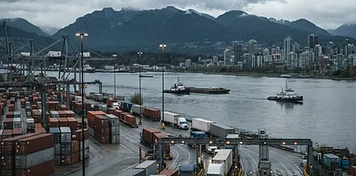
Vancouver
The Pacific gateway — port logistics, marine, film, technology, construction and professional services.
Business financing in Vancouver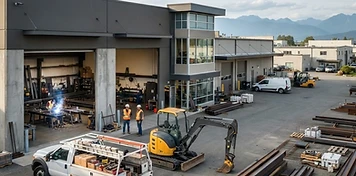
Surrey
A fast-growing major city — industrial land, manufacturing, construction, logistics and fleets.
Business financing in Surrey
Burnaby
A technology-and-trades city — production, distribution, tech and film studios between Vancouver and the valley.
Business financing in Burnaby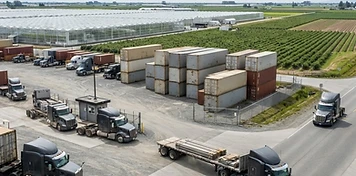
Delta
Gateway logistics and farmland — container terminals, drayage, greenhouses and berries.
Business financing in Delta

Langley
Agriculture and logistics crossroads — horse country, berries, greenhouses, trucking and manufacturing.
Business financing in Langley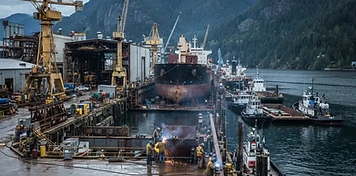
North Vancouver
North Shore waterfront industry — shipyards, bulk terminals, marine services and mountain tourism.
Business financing in North Vancouver
Richmond
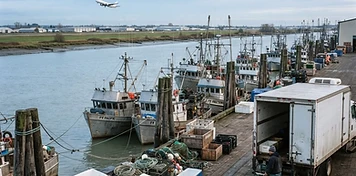
Airport city — YVR air cargo, Steveston fishing, seafood processing and warehouse logistics.
Business financing in Richmond
Maple Ridge
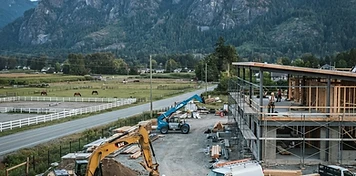
Valley-edge city — trades, equestrian businesses, agriculture and a fast-growing service economy.
Business financing in Maple Ridge

New Westminster
A historic river city — film studios, trades, warehouse conversions and a growing commercial core.
Business financing in New Westminster
Port Coquitlam
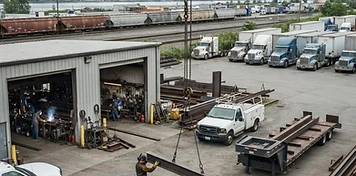
A rail-and-industry city — manufacturing, trucking and the trades of the Traboulay corridor.
Business financing in Port CoquitlamFraser Valley
Farm country and freight crossroads: dairy, poultry, berries and greenhouses, food processing, highway logistics and fast-growing trades markets.

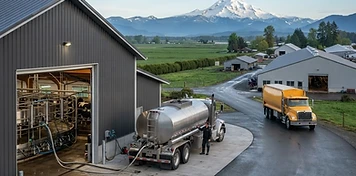
Abbotsford
The valley's major agricultural city — dairy, poultry, berries, greenhouses, food processing and aerospace.
Business financing in Abbotsford
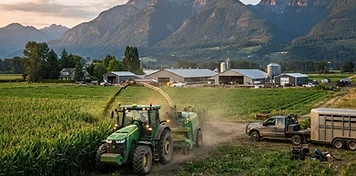
Chilliwack
Valley farm-and-outdoor city — dairy, corn, greens, trades and river-country tourism.
Business financing in Chilliwack
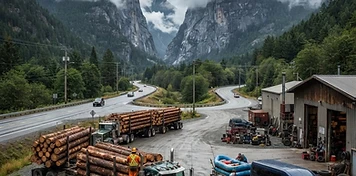
Hope
The mountain gateway — forest services, highway commerce and the junction of three corridors.
Business financing in Hope
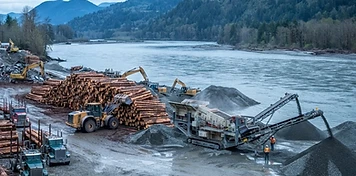
Mission
A river-and-forest city — forest products, aggregate operations, trades and a growing commuter economy.
Business financing in MissionSea-to-Sky / Pemberton
Resort and outdoor-industry corridor: major resort hospitality, mountain operations, recreation businesses, valley farming and a working Howe Sound waterfront.

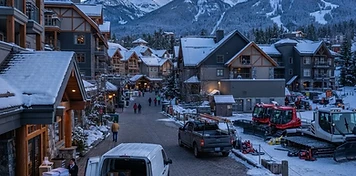
Whistler
A major North American resort town — hospitality, mountain operations, trades and mountain-town services.
Business financing in Whistler
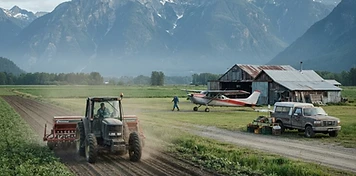
Pemberton
A valley farm village — seed potatoes, market agriculture, aviation and mountain services.
Business financing in Pemberton
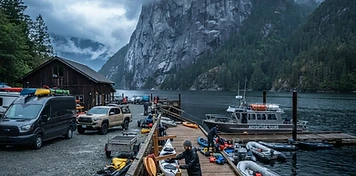
Squamish
The outdoor-industry town — recreation businesses, port-industry services, forestry and fast-growing trades.
Business financing in SquamishSunshine Coast / qathet
Ferry-coast communities running marine tourism, aquaculture services, marine trades and a harbour city writing its next chapter.

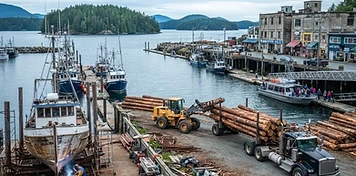

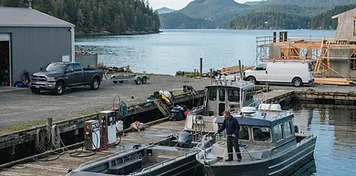
Greater Victoria / Saanich Peninsula
The capital's visitor economy — whale watching, charter marine, harbour trades, hospitality — alongside government-scale professional services and construction.

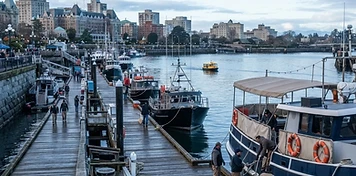
Victoria
The capital city — tourism, whale watching, commercial marine, government-anchored services and construction.
Business financing in Victoria

Langford
The West Shore's growth engine — construction, trades, retail and light industry.
Business financing in Langford

Sidney
A peninsula port town — ferry terminal, boatyard trades, marine manufacturing and airport proximity.
Business financing in SidneyCowichan / South Island
The warm valley's forest-and-farm crossroads: forestry contractors, dairy and agri-food, wine and agritourism, and a growing trades base.

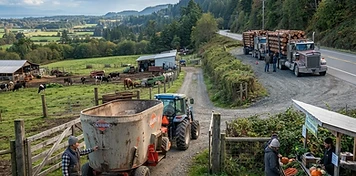
Central Vancouver Island
The Island's hub cities: working harbours, ferry logistics, aquaculture services, busy construction markets and a growing technology cluster.

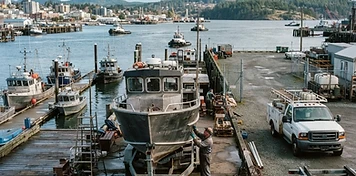


North Vancouver Island
Salmon country: commercial fishing fleets, aquaculture services, marine trades, charter destinations and the North Island's port and service towns.

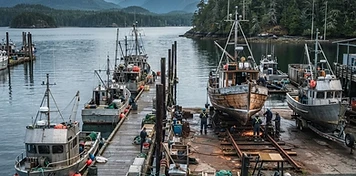
Campbell River
A working salmon-fishing town — commercial fishing, aquaculture services, marine trades, forestry and charters.
Business financing in Campbell River

Courtenay
The Comox Valley's hub — trades and construction, agriculture, tourism, air services and healthcare.
Business financing in Courtenay
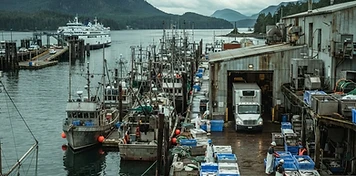
Port Hardy
The North Island's port — commercial fishing, seafood processing, the Inside Passage ferry and marine services.
Business financing in Port Hardy

Port McNeill
A marine-service town — charter fishing, aquaculture services, marine trades and Broughton access.
Business financing in Port McNeillWest Coast Vancouver Island
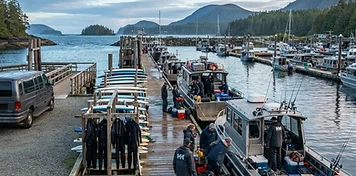
Pacific Rim resort towns: charter and wildlife-viewing fleets, resort hospitality and working harbours on the open coast.



Gulf Islands / Southern Coast
A regional economic cluster (no standalone community pages): marine tourism, water transportation, hospitality, construction and service businesses, and small-scale agriculture and local food across the islands' economies.
A regional business and financing cluster serving the Gulf Islands and Southern Coast. Local economies are shaped by marine tourism, water transportation, hospitality, construction and trades, service businesses, and small-scale agriculture and local food production. While this region does not currently contain standalone BizFin community pages, businesses throughout the islands and coastal communities may still explore financing for commercial equipment, vehicles, marine-related business assets, expansion, and working capital.
CHECK MY OPTIONSNorth Okanagan
Orchards, dairies and agri-services around the north valley's hub city — plus wood products, manufacturing and lake tourism.

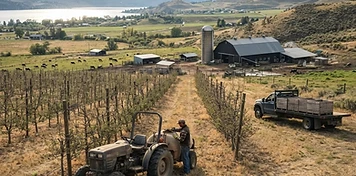
Central Okanagan
The Okanagan's major centre: tree fruit, vineyards, packing and cold chain, lake-resort tourism, technology and aviation services.


South Okanagan
One of Canada's warmest farm-and-wine districts: vineyards, orchards, packing, cold-chain transport, lakeshore resorts and border commerce.

Penticton
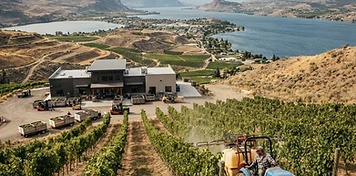
The South Okanagan's resort-and-vineyard city — wine country, orchards, lakeshore tourism and trades.
Business financing in Penticton
Oliver
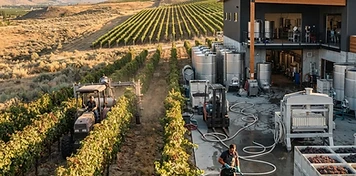
Canada's wine country at work — vineyards, wineries, packing and commercial wine production.
Business financing in Oliver
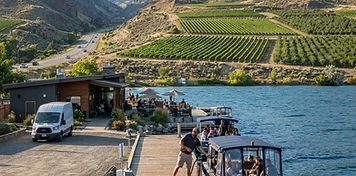
Osoyoos
Canada's desert — lakeshore resorts, vineyards, orchards and border commerce at the Canada-U.S. line.
Business financing in Osoyoos
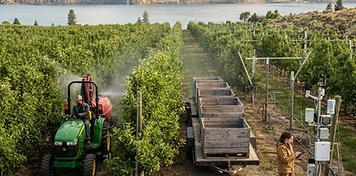
Summerland
An orchard town — tree fruit, packing, agri-research and agritourism on the lakeside benches.
Business financing in SummerlandSimilkameen
Orchard benches and farm markets: orchard bins, cold chain and Highway 3 produce transport, plus forestry and ranch junctions.


Keremeos
A Similkameen fruit-growing and farm-market community — orchards, bin trailers, cold chain and Highway 3 produce transport.
Business financing in Keremeos

Princeton
A mountain-junction ranch town — forestry contractors, ranches, trades and the Hope-Princeton corridor.
Business financing in PrincetonShuswap
Dairy flats, timber country and lake-tourism country around the region's service hub.

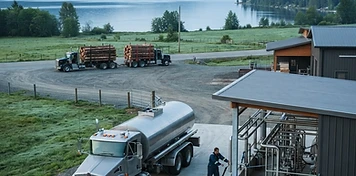
Thompson-Nicola
The Interior's junction economy: rail-linked logistics, historic ranching grasslands, timber, mining services and hot canyon benches growing vines.

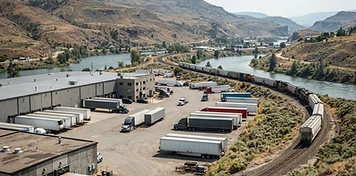
Kamloops
The Interior's junction city — rail and trucking logistics, ranching, forestry, mining services and trades.
Business financing in Kamloops

Clearwater
The Wells Gray gateway — forestry contractors, outdoor tourism and a North Thompson service town.
Business financing in Clearwater

Lillooet
A canyon-junction town — vineyards and orchards, ranches, forestry services and corridor trade.
Business financing in Lillooet
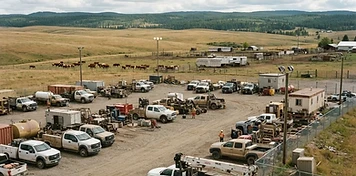
Logan Lake
A mine-service town — Highland Valley contractor economy, ranches and lake-country services.
Business financing in Logan Lake
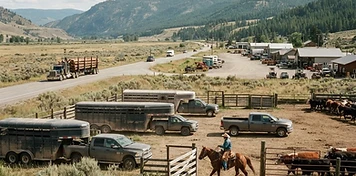
Merritt
A ranch-and-forest city — cattle country, timber contractors, highway services and recovery-era growth.
Business financing in MerrittCariboo / South Cariboo
Ranch country and timber belt: cattle country, logging fleets, guest-ranch tourism and service centres building their next economies.


Quesnel
A timber-belt city — logging fleets, wood products, ranches and the Cariboo's service economy.
Business financing in Quesnel

Williams Lake
The Cariboo's ranching centre — cattle country, forestry contractors, transport services and rodeo-country commerce.
Business financing in Williams Lake
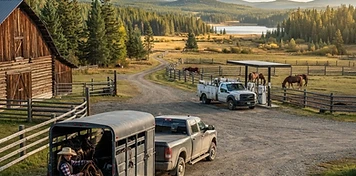
100 Mile House
A South Cariboo service centre — ranching, guest ranches, lake tourism, contractors and forestry expertise.
Business financing in 100 Mile HouseWest Kootenay / Boundary
Mountain-culture cities, a smelter town's industrial-service economy, Boundary farms and ski-and-heritage tourism.

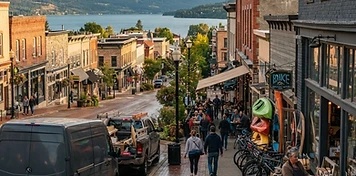
Nelson
A mountain-culture city — tourism, trades, healthcare services and a genuine arts-and-outdoors economy.
Business financing in Nelson
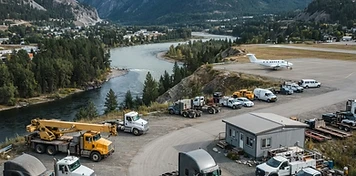
Castlegar
The West Kootenay's junction city — highways, rail, an airport and a busy trades and services economy.
Business financing in Castlegar
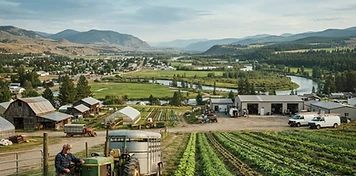
Grand Forks
The Boundary's farm-and-trade city — agriculture, forestry support and border-country commerce.
Business financing in Grand Forks
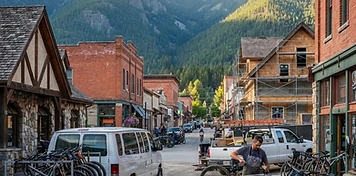
Rossland
A legendary ski town — resort tourism, mountain-bike economy and a tight trades market.
Business financing in Rossland

Trail
A smelter city with an industrial-service economy — contractors, trades and the businesses around a metals operation.
Business financing in TrailEast Kootenay / Elk Valley
Steelmaking-coal country and the regional centre: mine-service fleets, contractor economies, resort towns and the Kootenay's farm valley.

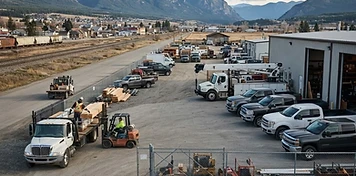
Cranbrook
The East Kootenay's regional centre — services, trades, rail logistics and the commerce of the Rockies' western gateway.
Business financing in Cranbrook
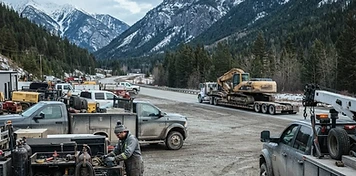
Sparwood
The Elk Valley's contractor-fleet economy — steelmaking-coal services, heavy trades and corridor commerce.
Business financing in Sparwood
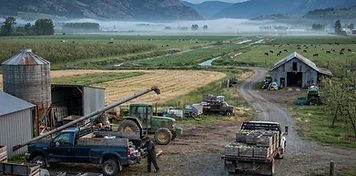
Creston
The Kootenay's farm valley — dairies, orchards, grain, a famous brewery and border commerce.
Business financing in Creston
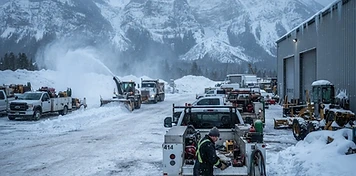
Elkford
B.C.'s highest-elevation town — mine services, snow-country equipment and Elk Valley commerce.
Business financing in Elkford
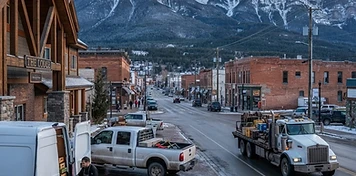
Fernie
A coal-country base turned resort city — contractor fleets, ski-town hospitality and Elk Valley services.
Business financing in FernieColumbia / Rockies
Mill-and-resort mountain towns: forest products, cat-and-heli operations, valley resort construction and the Yellowhead's junction village.


Golden
A mill-and-resort mountain town — forest products, the national railroad through the Rockies, and a genuine adventure economy.
Business financing in Golden
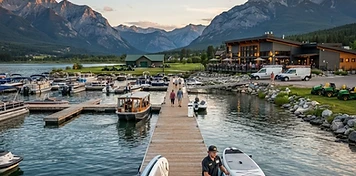
Invermere
Columbia Valley resort living — lake tourism, golf, hot springs and a booming trades market.
Business financing in Invermere
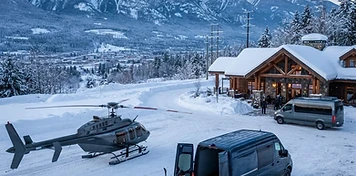
Revelstoke
A ski-and-heli town with a working mill — forest products, renowned vertical and a busy mountain trades market.
Business financing in RevelstokeNorth Central / Prince George
The North's service centre: forest products and services, a two-railway junction, mining supply and half a province's institutional base.

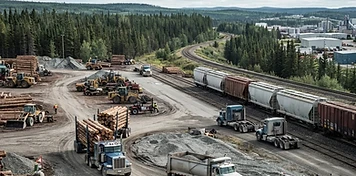
Prince George
B.C.'s northern hub — forest products, a two-railway junction, mining supply and a city-scale service economy.
Business financing in Prince George
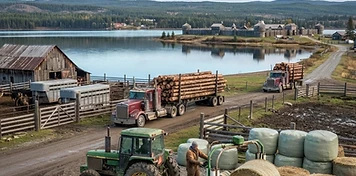
Fort St. James
A historic lake-belt town — forestry contractors, farm country and Stuart Lake services.
Business financing in Fort St. James

Mackenzie
A timber-belt town working through transition — forestry contractors, trades and a mountain-recreation community.
Business financing in Mackenzie
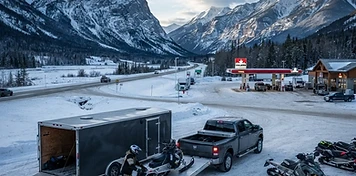
Valemount
The Yellowhead's junction village — mountain tourism, highway services and a working valley base.
Business financing in Valemount

Vanderhoof
The Nechako's farm-and-ranch centre — grain and forage, cattle, ag services and a rail-spoke service town.
Business financing in VanderhoofBulkley-Nechako
Plateau timber towns and farm flats: logging contractors, pellet-era operations, ranches and the valley's service town.


Smithers
The Bulkley Valley's alpine-anchored town — forestry, aviation, ranching and a genuine mountain-culture economy.
Business financing in Smithers
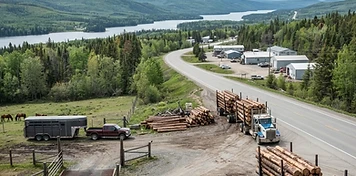
Burns Lake
A plateau timber and ranch town — logging fleets, a pellet operation and lakes-country services.
Business financing in Burns Lake
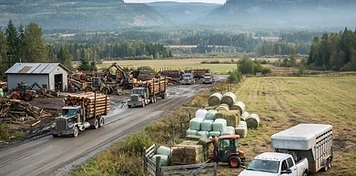
Houston
A timber-and-ranch junction town — forestry contractors, a pellet operation and valley cattle country.
Business financing in HoustonKitimat-Terrace / Golden Triangle Corridor
LNG-and-aluminum port industry, the Northwest's aviation and service hub, and the mineral-district corridors beyond.


Kitimat
An LNG-and-aluminum port-industrial city — export facilities, smelting, marine trades and a contractor economy.
Business financing in Kitimat

Terrace
The Northwest's hub city — aviation, contractors, trades and the service base for the corridor and the Golden Triangle.
Business financing in TerracePrince Rupert / North Coast
A deep natural harbour on the North Coast: container and bulk port operations, commercial fishing, seafood processing and marine logistics.


Haida Gwaii
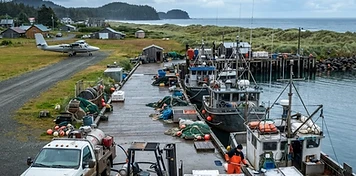
Island economies working the Pacific: fishing harbours, air services, ferry-linked logistics and heritage tourism across a remote and storied island chain.

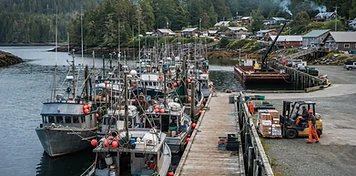

Central Coast
Fjord-head and inlet communities running marine businesses, remote logistics and wilderness tourism.


Highway 37 / Cassiar - Golden Triangle Logistics
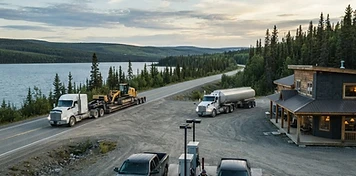
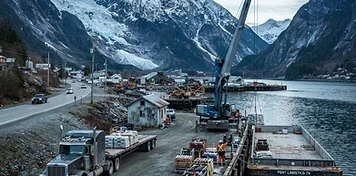
The Golden Triangle's service spine: a border mineral port, a remote-corridor service node, heavy haul and camp economies.


Peace / Northeast
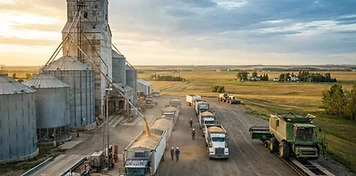
The Montney's service economy: natural gas contractors, heavy trades, Peace-country agriculture and coal-district service towns.

Dawson Creek
Mile Zero of the Alaska Highway — Peace grain country, energy services and border-corridor logistics.
Business financing in Dawson Creek
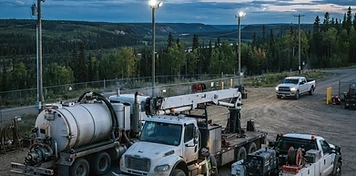
Fort St. John
The Montney's service hub — gas-country contractors, heavy trades, trucking and Peace agriculture.
Business financing in Fort St. John
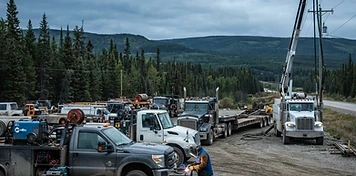
Chetwynd
The corridor's contractor town — industrial maintenance, welding, tire and transport services.
Business financing in Chetwynd

Tumbler Ridge
A coal-service town with a UNESCO Geopark — mine fleets, dinosaur-country tourism and waterfall trails.
Business financing in Tumbler RidgeNorthern Rockies / Fort Nelson
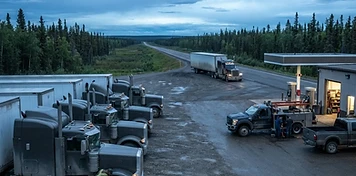
The far Northeast: northern gas-country services, long-haul Alaska Highway transport and the district's service base.

A STRAIGHTFORWARD WAY TO GET STARTED.
Tell us what you need
Describe the financing need your business is facing in this market.
We review your information
Your business profile helps identify financing options that may fit.
You decide
Review any available option and decide whether it makes sense for your business.
CAPITAL FOR REAL BUSINESS NEEDS.
Equipment
Finance machinery, tools, vehicles and commercial equipment.
Inventory
Purchase stock, materials and products to meet demand.
Payroll
Manage payroll through billing and cash-flow cycles.
Project Costs
Cover upfront project and mobilization costs.
Expansion
Open a location, renovate or add capacity.
Cash Flow
Bridge the gap between costs and customer payments.
QUESTIONS ABOUT FINANCING IN BRITISH COLUMBIA.
FINANCE YOUR NEXT MOVE IN BRITISH COLUMBIA.
BizFin.ca — Finance your next move.