
Equipment Leasing Guide Canada
The short answer
Equipment leasing is an arrangement where a business uses equipment for an agreed period and payment, without purchasing it up front. The business gets the use of the asset; the payments are structured across the term; and what happens at the end — returning, continuing, or purchasing the equipment — is defined by the lease agreement itself.
Leasing is how a large share of Canadian business equipment is put to work, especially where technology cycles quickly or capital is better kept in operations.
Key takeaways
- A lease is about use, not ownership: you pay to put the equipment to work, not to own it on day one.
- Leasing can preserve more cash than a full up-front purchase, and can match payments to the revenue the equipment produces.
- End-of-term outcomes — return, renew, or purchase — depend entirely on the agreement; read them before signing.
- New and used equipment can both be leased; eligibility varies by asset and agreement.
- Accounting and tax treatment depends on the specific agreement — get professional advice before relying on it.
Published by BizFin.ca · September 2026
What is equipment leasing?
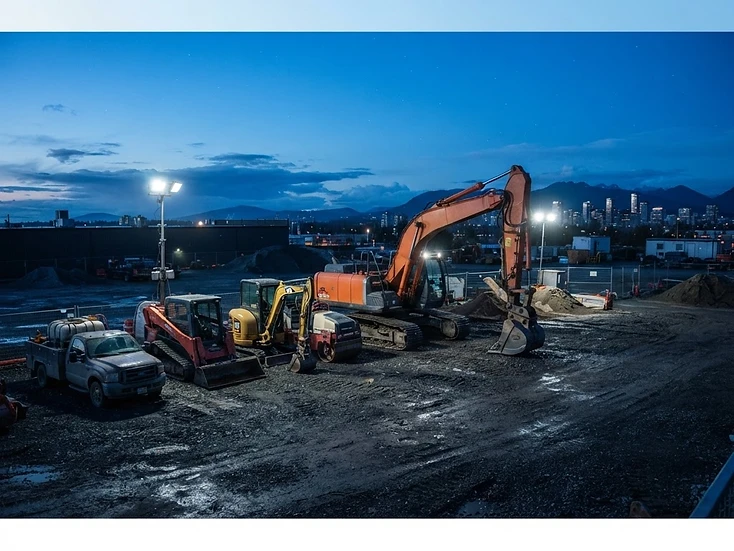
In a lease, the business (the lessee) pays an agreed amount over an agreed term for the use of equipment owned by the lessor. The equipment goes to work in the business immediately; the capital that would have bought it outright stays available for operations. At the end of the term, the agreement defines what happens next — the equipment may be returned, the lease continued, or the asset purchased under the terms set out in the arrangement.
Leasing is used everywhere in the Canadian economy: construction machines, medical and dental systems, restaurant equipment, technology, vehicles and production machinery.
Why do businesses lease instead of buying?
The motivations vary by business, and they usually come down to timing and focus:
- Cash preservation — leasing may allow a business to preserve more cash than paying the full purchase price up front.
- Payment matching — payments can be structured to the revenue the equipment earns.
- Technology cycles — equipment that changes quickly can be refreshed rather than stranded.
- Predictability — a defined payment across a defined term simplifies planning.
- Asset strategy — using the equipment may matter more than holding it on the balance sheet.
What happens at the end of an equipment lease?
This is the most important part of any lease and the part most often skipped in reading. End-of-term options vary by agreement: some leases end with the equipment returned; some allow continuing month-to-month; some include a purchase option at a defined value or formula. The lease document — not a product label — defines which.
A business should be able to answer before signing: What happens if I keep the equipment longer? What if the equipment is worth more, or less, than expected at term's end? What does returning it require? Every one of these answers is a clause, not a guess.
A lease's real terms live in its end-of-term provisions. Read those before the payment amount — a lower payment with the wrong ending can cost more.
What about tax and accounting treatment?
Leasing has accounting and tax implications — how payments are classified, how the asset is treated, what may be deductible — and the correct treatment depends on the specific agreement and the business's situation under Canadian accounting standards and tax rules. Blanket statements like lease payments are always fully deductible are not reliable; get advice from a qualified accountant for your own situation, and describe the arrangement accurately when you do.
Can used equipment be leased?
Used equipment can be leased — later-model assets in working condition are regularly placed under lease structures. As with used-equipment financing, the asset's age, condition and documentation are part of the review. Availability varies by asset type, age and the lessor involved.
How does leasing relate to the broader equipment-financing picture?
Leasing is one path within the equipment-finance family. Equipment financing is oriented toward acquiring and owning; leasing is oriented toward use. Refinancing and sale-leaseback then let owned equipment release capital later. BizFin.ca helps businesses explore equipment leasing options within that broader picture — you can compare the paths in the Equipment Financing vs Leasing guide or explore the leasing solution page directly.
COMMON QUESTIONS, ANSWERED.
RELATED RESOURCES & SOLUTIONS.
Equipment Leasing Canada — Explore the Solution
The commercial leasing page on BizFin.ca.
Learn moreEquipment Financing vs Leasing
The two paths, compared.
Learn moreEquipment Financing Guide
The ownership-oriented sibling.
Learn moreSale-Leaseback Guide
Lease structures on equipment you already own.
Learn moreManufacturing Industry Financing
Equipment-heavy industry example.
Learn moreTELL BIZFIN WHAT YOUR BUSINESS NEEDS NEXT.
BizFin.ca — Finance your next move.