
Equipment Financing Guide
The short answer
Equipment financing is capital structured around a specific business asset — a machine, vehicle, system or tool — where the asset itself typically anchors the arrangement. Instead of paying the full purchase price from cash, the business spreads the cost across the years the equipment earns, preserving working capital for the operating needs the business also has.
This guide covers how equipment financing works, what it covers, and how it connects to leasing, refinancing and sale-leaseback.
Key takeaways
- Equipment financing is built around a specific asset; the equipment's value and earning life are central to the structure.
- It preserves cash: the business keeps operating capital while the asset pays for itself over time.
- It can cover new and used equipment, machinery, technology and business vehicles — availability varies by asset.
- Owned equipment can later be refinanced, or involved in a sale-leaseback, to release tied-up capital again.
- Quotes, vendor details and asset information are the documents this structure runs on.
Published by BizFin.ca · September 2026
What is equipment financing?
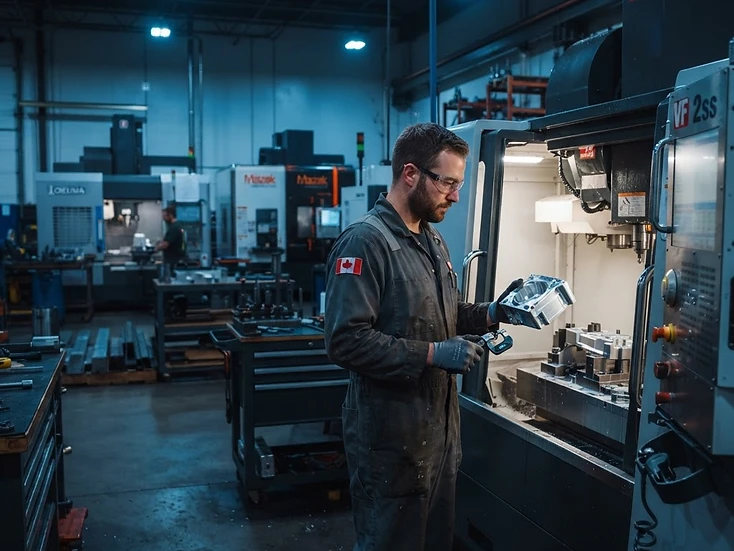
Equipment financing is capital provided against the purchase of a specific business asset. The structure is usually asset-anchored: the equipment being acquired stands at the centre of the arrangement, and the payments are spread across a term related to the asset's useful life. Because the asset is identifiable and often holds resale value, this is one of the most widely used financing structures across Canadian industries.
The logic is simple: a machine that earns for eight years should not be paid for with eight months of cash.
What can equipment financing cover?
The category is broad — almost any income-producing business asset can be considered:
- New equipment — machinery, tools, systems, technology
- Used equipment — later-model assets in working condition
- Heavy machinery — excavators, loaders, presses, CNC equipment
- Technology — servers, POS systems, practice and production software ecosystems
- Medical and dental equipment — chairs, imaging, sterilization
- Kitchen and food-service equipment
- Commercial vehicles — vans, trucks, trailers (covered in the Commercial Vehicle Guide)
How does the purchase actually work?
The typical path: the business identifies the asset and gets a quote from the vendor or dealer; a financing structure is arranged around that quote; the vendor is paid; the business makes payments under the agreed terms and puts the equipment to work. For used or private-sale equipment, the transaction details — seller, condition, price, documentation — become part of the review.
The equipment's earning logic is the business's own case: what it produces, what it saves, or what revenue it enables. A structure that matches payments to that earning timeline lets the asset carry much of its own cost.
How does equipment financing relate to leasing?
Financing and leasing are sibling structures for acquiring equipment use. Financing is oriented toward owning the asset and spreading its purchase; leasing is oriented toward using the asset for an agreed period and payment, with what happens at the end of term defined by the agreement. Many businesses use both at different times — the Equipment Financing vs Leasing comparison breaks down the decision, and the Equipment Leasing Guide Canada covers the lease side in depth.
Can equipment you already own be refinanced?
Yes — this is a distinct and often overlooked structure. Equipment the business owns outright holds value, and that value can support refinancing that frees capital while the business keeps using the asset. The related structures — equipment refinancing and sale-leaseback — have their own guides, and both turn owned equipment back into working capital.
Cash for an asset that can finance itself is capital taken away from operating needs. Match the payment structure to the asset's earning life.
What documents support an equipment financing request?
Because the structure is asset-anchored, the core documents describe the asset and the transaction: the quote or purchase agreement, vendor or seller details, and for used equipment, condition and service information where available. The business's own information — statements and operating profile — completes the picture. Not every request needs every document; what is asked depends on the transaction.
COMMON QUESTIONS, ANSWERED.
RELATED RESOURCES & SOLUTIONS.
Equipment Financing — Explore the Solution
The commercial equipment page on BizFin.ca.
Learn moreEquipment Leasing Guide Canada
The lease-based sibling structure.
Learn moreEquipment Financing vs Leasing
The decision, compared honestly.
Learn moreUsed Equipment Financing Guide
Later-model assets explained.
Learn moreEquipment Refinancing Guide
Turning owned equipment into capital.
Learn moreTELL BIZFIN WHAT YOUR BUSINESS NEEDS NEXT.
BizFin.ca — Finance your next move.